


Where does pigment come from?
Leave a message
We are all used to the world being full of colorful colors. It is hard to imagine what kind of impact it would have on the sensory world if we were surrounded by black and white. We can't help but wonder, in addition to natural colors, where do the pigments presented by materials come from?

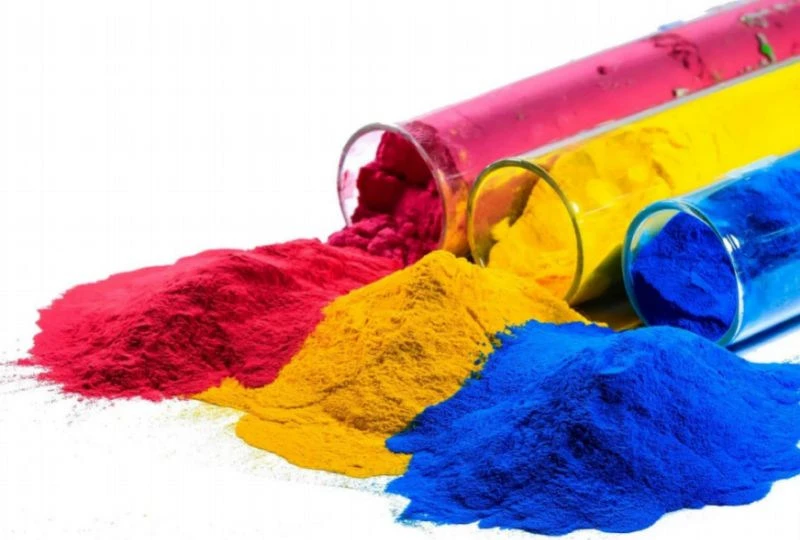
Pigments are colorants that are insoluble in common solvents and can be divided into inorganic pigments and organic pigments. Among them, organic pigments are colored organic compounds, which can be divided into natural and synthetic types. The advantages of organic pigments are high tinting power, bright colors, complete color spectrum, and low toxicity. The disadvantages are that the product's light resistance, heat resistance, weather resistance, solvent resistance, and hiding power are not as good as inorganic pigments.
Natural pigments are extracted from minerals or plants. Ancient murals are the products of natural pigments. The most representative ones are the magnificent murals in the Mogao Grottoes in Dunhuang.
Synthetic pigments are mostly used in modern industry. They were invented in 1856 by 18-year-old William Henry Perkin (W.H.Jr. William Henry Perkin, Jr), who was a student at the Royal College of Chemistry in the UK at the time. While trying to synthesize quinine through chemical methods using coal tar, he accidentally extracted a purple dye in an experiment and produced aniline purple through potassium dichromate. This was the first time in history that an artificially synthesized organic pigment was discovered, and it opened the prelude to a series of methods of producing large amounts of pigments through carbon purification.
Yunfu Hongzhi New Materials Co., Ltd.'s precipitated barium sulfate products can also be used in pigments:
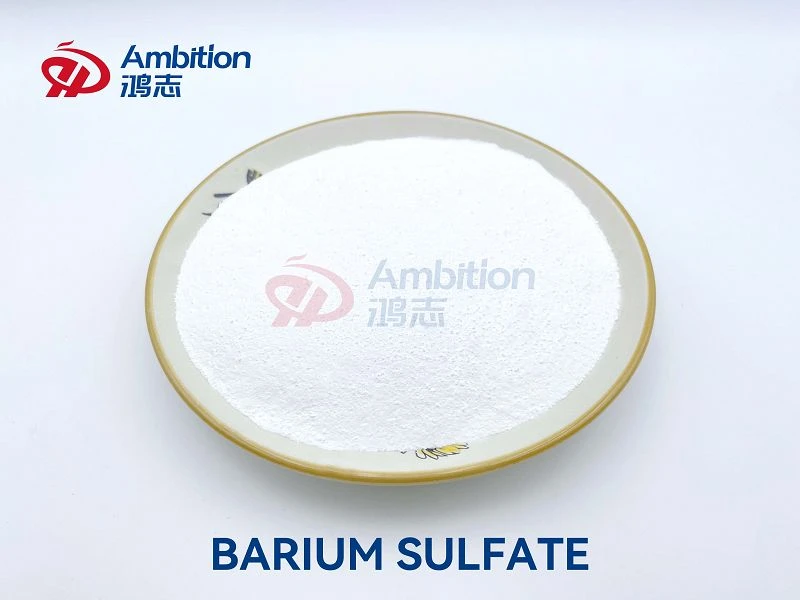
1. Among organic pigments, phthalocyanine blue and phthalocyanine green have the best application effect. Adding precipitated barium sulfate with inorganic surface treatment can improve dispersibility, maintain product color development, and correspondingly improve product gloss and brightness.
2. It helps with grinding (dispersion), can reduce grinding time, make pigments more evenly dispersed, can improve pigment color development efficiency (pigment extender), and can also be used as a pigment brightener.
3. It has a stabilizing effect on both inorganic and organic pigments to prevent flocculation or floating color. Nano-precipitated barium sulfate particles can be adsorbed around pigment particles, increasing steric hindrance or charge repulsion to stabilize the pigment.
If you want to know more about barium sulfate products, please consult us!


